

This analysis delves into the shift in stance by new Federal Reserve Chair Kevin Warsh, moving from advocating for rate cuts to calling for a reduction in the Fed's balance sheet, a move that has unsettled markets. This pivot reflects multiple pressures, including persistent inflation, a significant fiscal deficit, and Middle Eastern geopolitical tensions, which constrain the Fed's options for rate cuts or aggressive balance sheet reduction. Experts anticipate a period of policy observation, with a focus on maintaining higher interest rates and avoiding market-destabilizing actions.
Storage chip stocks are showing signs of recovery after a period of correction, driven by factors such as increasing demand from the AI sector. Analysts believe the current chip cycle remains in an upward phase, and that long-term customer agreements may reshape industry valuations, with expectations of continued price increases in the short to medium term, supported by supply constraints.
With Kevin Warsh taking the helm as the new Federal Reserve Chair, the market's focus is keenly set on his first policy-setting meeting. Warsh aims to revolutionize the Fed's current communication approach, arguing that excessive public pronouncements lead to policy errors and grant the central bank an undue prominence. He plans to reshape how policy expectations are disseminated and their frequency, with the goal of diminishing reliance on pre-empted market signals and bolstering the focus on economic fundamentals.
Goldman Sachs has lowered its average Brent crude oil price forecast for 2027 to $80 per barrel, citing stronger global supply growth and persistently weaker demand as primary drivers. Despite the downward revision for the long term, the firm maintains a relatively optimistic medium-term price outlook, projecting an average Brent price of $90 per barrel in Q4 2026. The report also notes that disruptions in the Strait of Hormuz have had a lesser impact than initially anticipated, with the global supply deficit in Q2 estimated at 5-6 million barrels per day, cushioned by demand weakness and pre-existing oversupply. Exports from Gulf oil producers are expected to normalize by late August. However, Goldman Sachs emphasizes that geopolitical uncertainties could still trigger sharp price swings, with potential upside scenarios reaching over $110 per barrel by end-2026 and even $140 per barrel in 2027 if disruptions persist. Conversely, downside scenarios anticipate prices around $70 per barrel by end-2026 and $60 per barrel in 2027 if supply recovers rapidly and demand weakens further.
The US stock market has experienced a significant shift, with previously reliable trading strategies failing and market direction becoming unpredictable. This article delves into the factors contributing to this volatility, including cooling investor confidence in large-cap tech stocks, the ripple effect on major indices like the S&P 500, and the conflicting signals from economic data. Expert opinions suggest a new normal of two-way trading and increased market choppiness. Key takeaways include the breakdown of the 'buy-the-dip' strategy, the influence of inflation and employment data, and the anticipation of the Federal Reserve's upcoming policy decisions as crucial market indicators. **Key Highlights:** * **Shift in Trading Logic:** The prevailing trend of passively buying into an upward market has faltered, making market movements highly unpredictable. * **Tech Stock Confidence Wanes:** Large technology stocks, once market leaders, are showing diminished investor conviction, leading to erratic price action. * **Index Volatility Increases:** The S&P 500 has seen significant daily reversals, signaling a substantial drop in overall market stability. * **Conflicting Economic Signals:** A tug-of-war between resilient economic data and expectations of monetary tightening by the Federal Reserve is driving market uncertainty. * **Expert Projections:** Analysts anticipate continued sector rotation and style switching, with widening divergence in investor sentiment. * **Fed Watch:** The upcoming Federal Reserve interest rate decision and press conference are seen as pivotal short-term market catalysts. * **Wall Street Caution:** Pessimism is rising among Wall Street analysts, with several issuing warnings about a potential market top.
Bernstein Research posits that the 2026 World Cup could be a "watershed moment" for the predictive markets industry, projecting U.S. betting volumes on platforms like Kalshi and Polymarket to reach $10 billion. DraftKings is identified as the primary beneficiary, leveraging its marketing strengths and Spanish-language broadcasting rights, while also utilizing the event to enhance its prediction market capabilities ahead of the NFL season.
This analysis delves into the implications of Kanto Denka and Central Glass's decision to halt tungsten hexafluoride (WF6) production, a crucial electronic gas for advanced chip manufacturing. It explores the underlying causes, including soaring raw material costs, operational pressures, and long-term supply challenges, alongside the risks posed to major chipmakers like Samsung, SK Hynix, and TSMC. The piece also examines efforts in South Korea and China to bolster domestic capabilities and discusses the ongoing global supply chain restructuring toward greater diversity and decentralization, emphasizing that these transitions will be lengthy and costly.
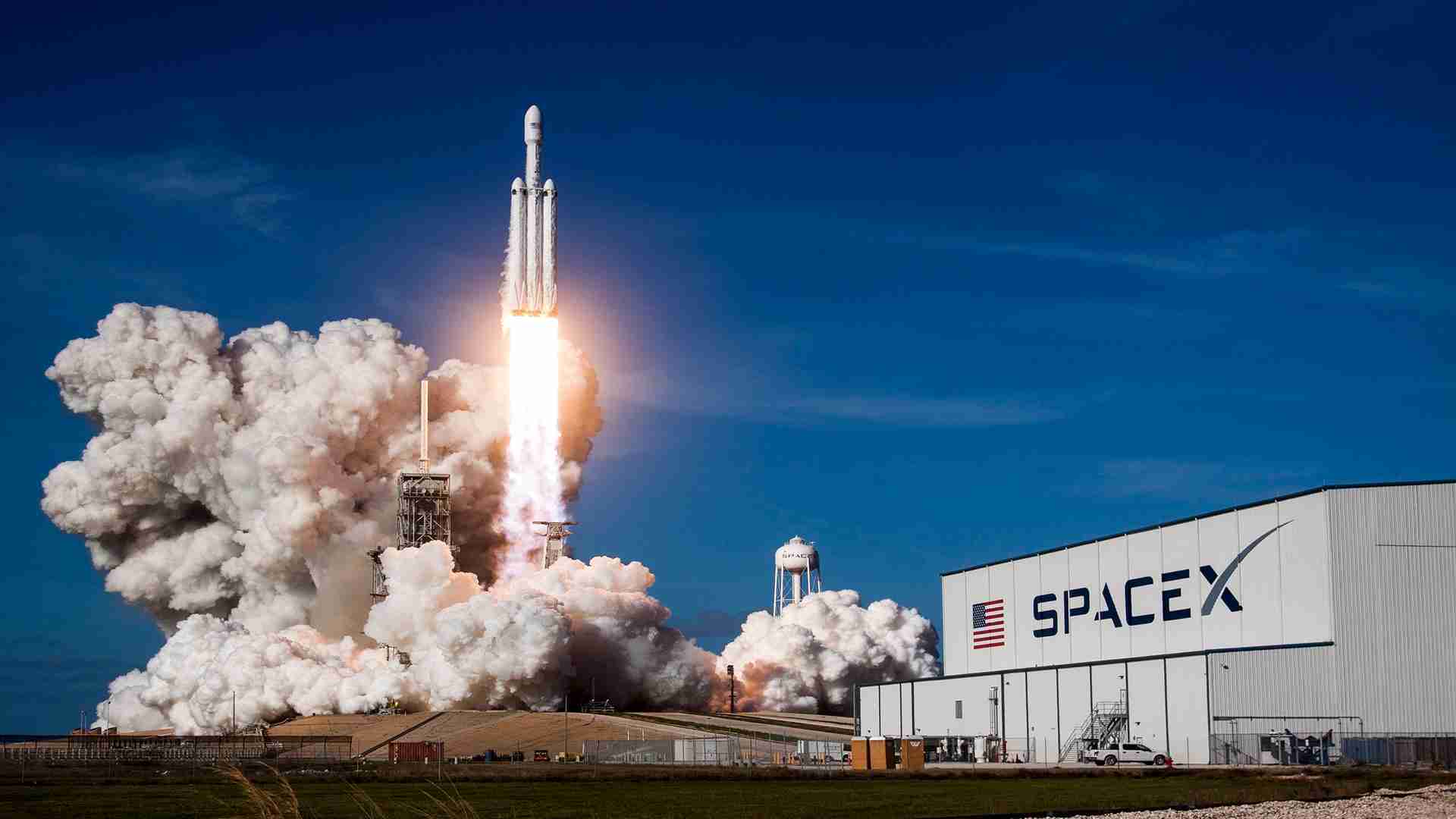
SpaceX’s expected IPO raises questions over S&P 500 and Nasdaq-100 inclusion as investors assess index rules, profitability and valuation risk.
US CPI data is expected to show May inflation rising to 4.2%, with oil prices and Fed rate-hike bets in focus on USD and EUR/USD traders.

CFD Trading Strategies: Every four years, the FIFA World Cup captures the attention of billions of people around the globe, creating excitement that extends far beyond the football pitch.
A CFD Trading Guide for South Africa: The FIFA World Cup is widely recognized as one of the most influential global sporting events, but its impact extends far beyond football.

This comprehensive guide answers the industry's defining question—what is NFP in trading—and analyzes the unique macroeconomic dynamics of the June 2026 data release, details how different asset classes react to surprises, and outlines actionable trading strategies to navigate this monthly market event.
Events in mid-March reveal Qatar's complex maneuvering to safeguard its economic lifeline, including alleged attempts to negotiate with Iran to protect its vital natural gas facilities. This highlights the precarious position of Gulf states amidst heightened regional tensions.
This article explores Lebanon's pivotal role in regional strategies, particularly Iran's endeavors to maintain its influence amidst US-led negotiations aimed at resolving the conflict with Israel. It highlights conflicting demands, political deadlock, and the challenges Lebanon faces in its quest for national sovereignty.
This analysis provides a detailed overview of global financial market performance, focusing on fluctuations in the US dollar, gold, and oil prices, as well as the performance of US and South Korean equities. It delves into the impact of geopolitical events, such as developments in the Iran situation, and economic data like rising US inflation, on central bank decisions. Significant IPOs, like SpaceX, and their influence on the tech market are also discussed. The report concludes with perspectives from major financial institutions on economic forecasts and interest rates, aiming to offer strategic insights for investors and traders.
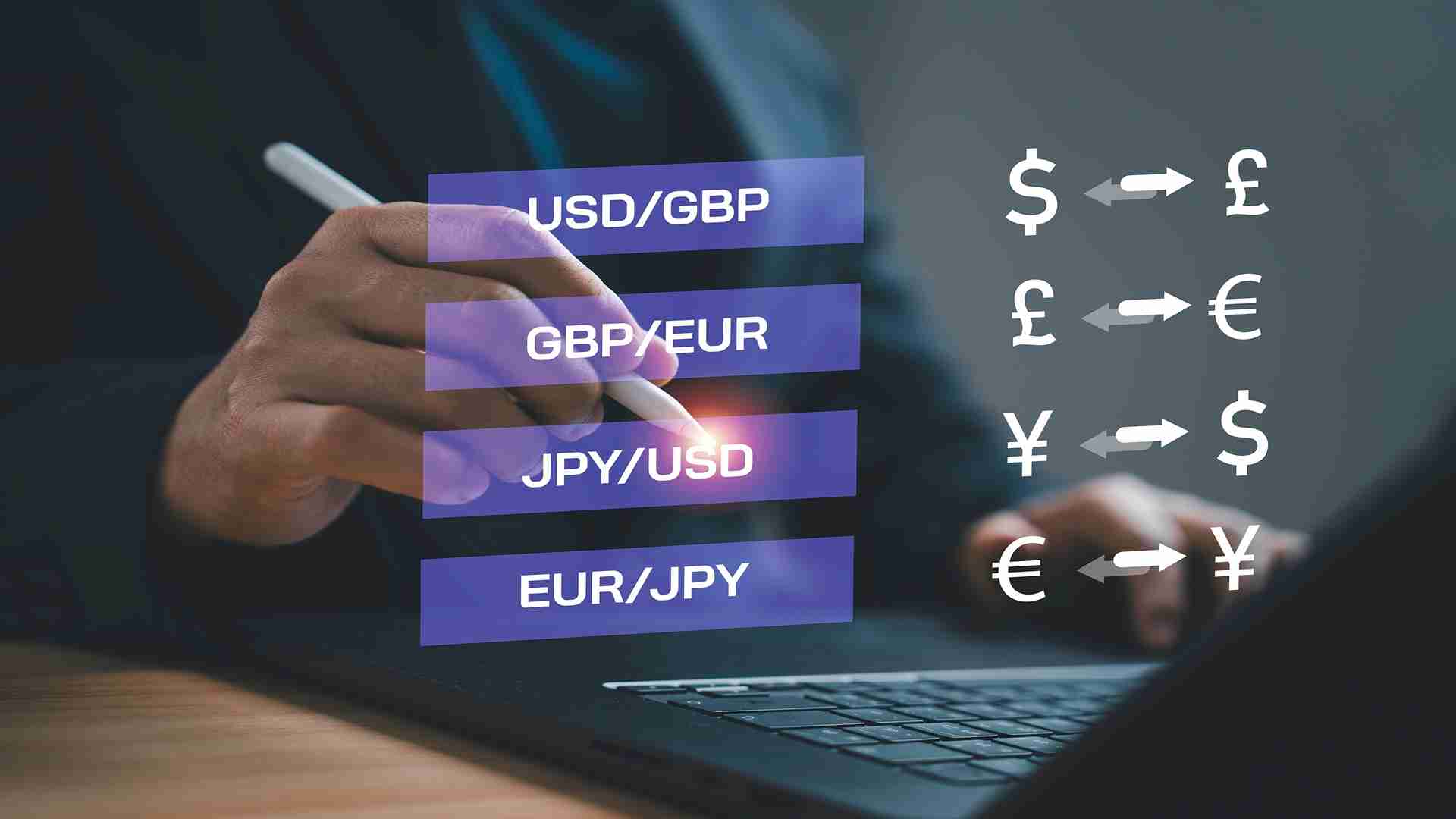
Learn what the most volatile forex pairs are, why they move sharply, how forex volatility is measured, and what risks traders should consider.

Learn what happens on the day of an IPO, from pricing and allocation to opening trades, SpaceX IPO hype, first-day volatility, and trading risks.

Explore 10 hot IPO stocks to watch in 2026, including SpaceX, Anthropic, OpenAI and Stripe, plus IPO risks and research tips.



